Source Flexible Endoscope Washer Disinfector for Hospitals Clinics Labs
Compare 30 Flexible Endoscope Washer Disinfector units from verified Chinese manufacturers. Buyers can evaluate specifications like voltage, sterilization recording, and material quality to find suitable equipment for medical facilities.
Key considerations
Products List


Automatic Flexible Endoscope Processor Endoscope Washer Disinfector Washing Disinfection Machine
$2000.00 - $9000.00
MOQ: 1 Pieces


Hospital Endoscopy Room Automatic Flexible Endoscope Washer Disinfector
$5429.00 - $9500.00
MOQ: 1 Pieces

Advanced Endoscope Washer Disinfector for Efficient Medical Cleaning
$5800.00 - $9500.00
MOQ: 1 Pieces

Reliable Endoscope Washer Disinfector for Optimal Sterilization Solutions
$5800.00 - $9500.00
MOQ: 1 Pieces


Auto Flexible Endoscope Washer-Disinfector Washing and Disinfection Machine
$3752.00 - $4583.00
MOQ: 1 Set

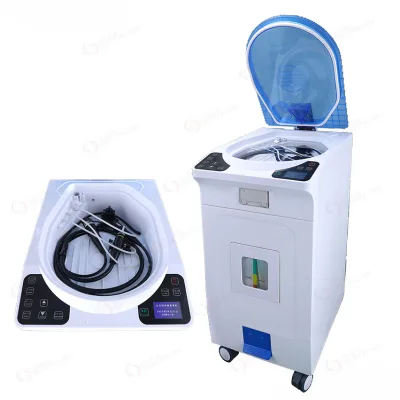


High-Level Cleaning and Disinfection Various Type Soft Endoscopy Washer-Disinfector
$4500.00 - $5000.00
MOQ: 1 Pieces


Best Price Automatic Flexible Endoscope Processor Endoscope Washer Disinfector
$2000.00 - $5000.00
MOQ: 1 Pieces
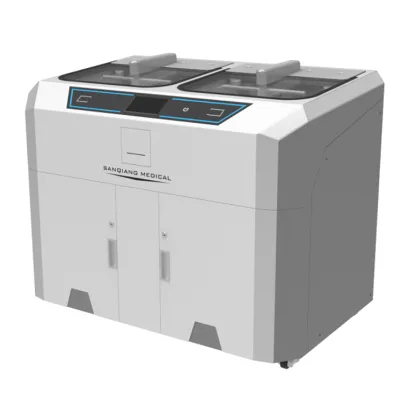
Double Tanks Endoscope Reprocessor SQ Flexible Endoscope Washer-Disinfector
$4603.00 - $7142.00
MOQ: 1 Minimum

High Performance Endoscope Washer Disinfector for Hospital Endoscopy Room
$12000.00 - $15000.00
MOQ: 1 Pieces

Surgical Instrument Washer Disinfector for Hospital Operating Room Use
$12000.00 - $15000.00
MOQ: 1 Pieces

160L Automatic Instrument Washer Disinfector for Surgical Instruments Use
$12000.00 - $15000.00
MOQ: 1 Pieces

Endoscope Washer Disinfector Automatic Medical Washing Machine for Hospital
$12000.00 - $15000.00
MOQ: 1 Pieces
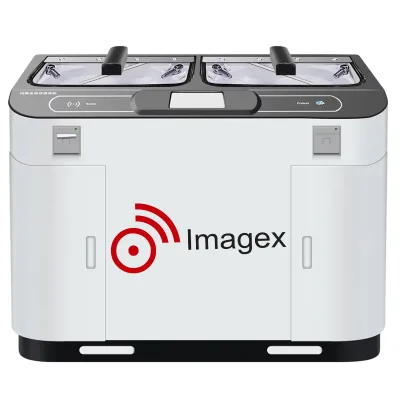

Immersion/Spraying Type Endoscope Cleaning Machine Washer Disinfector with Automatic Door
$6000.00 - $11000.00
MOQ: 1 Pieces


Efficient Safe Endoscope Cleaning Disinfection Machine Endoscopy Washer
$1999.00 - $5099.00
MOQ: 1 Pieces


Comprehensive Sourcing Guide
Flexible Endoscope Washer Disinfector Sourcing Guide
Procuring a Flexible Endoscope Washer Disinfector requires a rigorous evaluation of both mechanical engineering and infection control protocols. These devices are critical in healthcare settings for cleaning, disinfecting, and drying delicate instruments such as gastrointestinal and respiratory endoscopes. The sourcing process must balance technical performance with regulatory compliance, ensuring that the equipment meets the stringent hygiene standards required for patient safety. Buyers must navigate a market where specifications vary significantly between models, ranging from compact units for smaller clinics to high-capacity systems for large hospitals.
The decision to source these machines involves understanding the specific operational needs of the facility, including volume, instrument types, and available infrastructure. Key factors such as water pressure, electrical requirements, and sterilization class directly impact the suitability of a unit. Furthermore, the long-term viability of the investment depends on the availability of after-sales support, spare parts, and the manufacturer’s ability to provide ongoing technical assistance. This guide outlines the essential steps for evaluating suppliers and selecting the right equipment based on verified data and industry best practices.
Product Scope and Observed Listing Signals
The market for flexible endoscope washer disinfectors presents a diverse range of models, each tailored to different operational capacities and technical configurations. Observed listings indicate a wide price range, reflecting variations in features, build quality, and brand reputation. Buyers should note that the observed minimum order quantity (MOQ) ranges from single units to larger batches, suggesting flexibility for both individual hospital purchases and distributor acquisitions. The presence of customization options in many listings allows facilities to tailor specific features to their unique workflow requirements, such as custom piping layouts or specialized software interfaces.
Material composition is a critical differentiator among available units, with stainless steel being a predominant choice for chambers and pipes due to its durability and resistance to corrosion. Specific models observed utilize 304 stainless steel for the chamber and piping, ensuring compatibility with harsh cleaning agents and high-temperature processes. Additionally, some units feature ABS material for cabinets and tanks, offering a balance between weight and structural integrity. The inclusion of LCD displays and sterilization information recording and printing capabilities highlights a trend toward enhanced user interface and traceability, which are essential for maintaining audit trails in clinical environments.
Technical Specifications to Verify
Electrical and operational parameters must be meticulously verified to ensure compatibility with the facility’s infrastructure. Common specifications include an electric tension of 220V and a voltage of AC 220V, 50Hz, which are standard in many regions but require confirmation for local grid compatibility. Power consumption varies, with some units rated at 2.35kVA, necessitating adequate circuit protection and power supply stability. Water pressure requirements are also critical, with typical operating ranges specified between 0.2MPa and 0.5MPa, ensuring optimal spray performance without damaging the endoscope channels.
Physical dimensions and weight are vital for planning installation space and logistics. Models such as the Flexwash-20 and FN-16 offer different footprints, with machine sizes like 6801101044mm or 7706801044mm requiring careful consideration of room layout. Net weights can range significantly, from 45kg for smaller units to 120kg for larger systems, impacting the need for specialized handling equipment during installation. Capacity is another key specification, with tank volumes varying from 16L to 26L, directly influencing the throughput and efficiency of the disinfection process. Buyers should also verify the presence of features like ultra-high temperature alarms, which serve as a safety mechanism to prevent damage to instruments and ensure effective disinfection.
Compliance and Safety Documentation
Regulatory compliance is non-negotiable in the procurement of medical cleaning equipment. Buyers must verify that the washer disinfector holds relevant certifications, such as CE and ISO marks, which indicate adherence to European and international quality and safety standards. Some listings mention FDA and ISOCE certifications, suggesting a broader regulatory acceptance, but buyers should independently confirm the validity and scope of these certifications with the manufacturer. The instrument classification, often listed as Class I, and sterilization class, typically Class B, provide insight into the device’s intended use and efficacy, with Class B indicating a high level of sterilization capability suitable for porous and non-porous instruments.
Safety features and documentation are equally important for risk management. The presence of an air filter with a 0.2 μ M rating is a critical specification for ensuring that the air used in drying and pressurization is free from contaminants, thereby preventing re-contamination of the cleaned instruments. Buyers should request detailed technical manuals and safety data sheets that outline operating procedures, maintenance schedules, and emergency protocols. Additionally, verifying the working temperature range, such as 0-35 degrees Celsius, ensures that the equipment can operate effectively in the specific environmental conditions of the healthcare facility.
Cost Drivers and Commercial Terms
The total cost of ownership for a Flexible Endoscope Washer Disinfector extends beyond the initial purchase price. Factors such as material quality, technological features, and brand reputation significantly influence the upfront cost. Units with advanced features like LCD displays, recording and printing capabilities, and customizable options tend to be priced higher. Buyers should also consider the packaging and shipping costs, as many units are packed in wooden cases or standard export packing to ensure safe transit, which can add to the overall expense.
Commercial terms, including payment methods, delivery times, and warranty conditions, play a crucial role in the procurement decision. While specific lead times and prices are not universally fixed, buyers should negotiate clear terms regarding delivery schedules and incoterms to avoid unexpected costs. After-sales service is a significant value driver, with online technical support being a common offering. Buyers should assess the comprehensiveness of the warranty and the availability of spare parts to minimize downtime and ensure long-term operational reliability. Understanding these cost drivers helps in making a informed budgetary decision that aligns with the facility’s financial constraints and operational needs.
Supplier Qualification and Quality Control
Evaluating supplier qualifications is essential to mitigate risks associated with product quality and reliability. Buyers should verify the manufacturer’s location, with many suppliers originating from regions like Guangdong, China, known for their manufacturing capabilities. However, geographic origin alone is not a guarantee of quality; therefore, buyers should request evidence of the supplier’s production capacity, quality management systems, and past performance in similar markets. The brand name, such as ICLEAR, may indicate a specific manufacturer’s reputation, but independent verification of their track record is advisable.
Quality control processes should be transparent and robust. Buyers should inquire about the testing procedures conducted before shipment, including functional tests, leak tests, and sterilization efficacy validations. The use of standardized packing methods, such as wooden boxes or standard export packing, indicates a commitment to protecting the product during transit. Additionally, suppliers should provide documentation on the materials used, such as the specific grade of stainless steel or ABS plastic, to ensure durability and compliance with health standards. Establishing a clear communication channel for technical support and troubleshooting is also a key indicator of a reliable supplier.
Long-Term Procurement Checks
Sustainable procurement requires ongoing monitoring of the equipment’s performance and the supplier’s support capabilities. Buyers should establish a maintenance schedule that includes regular cleaning of filters, inspection of pipes, and calibration of sensors to ensure consistent performance. The availability of replacement parts, such as air filters and seals, is crucial for minimizing downtime and extending the lifespan of the machine. Suppliers should provide a comprehensive spare parts list and clear instructions for routine maintenance tasks.
Continuous engagement with the supplier for updates on software, firmware, or hardware improvements can enhance the functionality of the washer disinfector over time. Buyers should also stay informed about changes in regulatory standards and ensure that the equipment remains compliant with current guidelines. Regular reviews of the procurement process, including feedback from end-users such as nurses and technicians, can identify areas for improvement and inform future purchasing decisions. By maintaining a proactive approach to long-term procurement, healthcare facilities can ensure that their investment in flexible endoscope washer disinfectors continues to deliver value and support patient safety.
FAQs
What certifications do flexible endoscope washer disinfectors have?
These devices typically hold ISO and CE certifications, ensuring compliance with international quality and safety standards. Some models may also feature FDA registration. Buyers should verify specific documentation for their region to ensure regulatory alignment before procurement.
Can flexible endoscope washer disinfectors be customized?
Yes, customization is available for many units to meet specific hospital workflows. Options often include tailored chamber sizes, voltage configurations, or specialized alarm systems. Buyers should consult manufacturers directly to define exact requirements for their facility's needs.
What is the standard voltage for these disinfectors?
The standard electric tension is typically 220V with a frequency of 50Hz. Some models support AC 220V specifications. It is crucial to match the device voltage to local power infrastructure to ensure safe and efficient operation during sterilization cycles.
How much does a Flexible Endoscope Washer Disinfector cost?
Prices range widely from approximately 1 USD to 25,000 USD depending on capacity and features. Factors like stainless steel construction, LCD displays, and sterilization class influence the final quote. Buyers should request detailed quotations based on their specific model requirements.
What material is used for the disinfection chamber?
Chambers are commonly constructed from 304 stainless steel for durability and corrosion resistance. Pipes and internal components also frequently use SUS304 stainless steel. This material ensures hygiene and longevity during repeated high-temperature sterilization and washing cycles.
What is the typical capacity of these machines?
Common capacities include 16L and 26L variants, such as the Flexwash-20 or Sq-Awe26-R models. The 26L version often features a 22L disinfector tank volume. Buyers should select capacity based on the daily volume of endoscopes processed in their facility.